A‑Frame House Plans That Stretch Space — Modern Cabin Kits from AvrameUSA
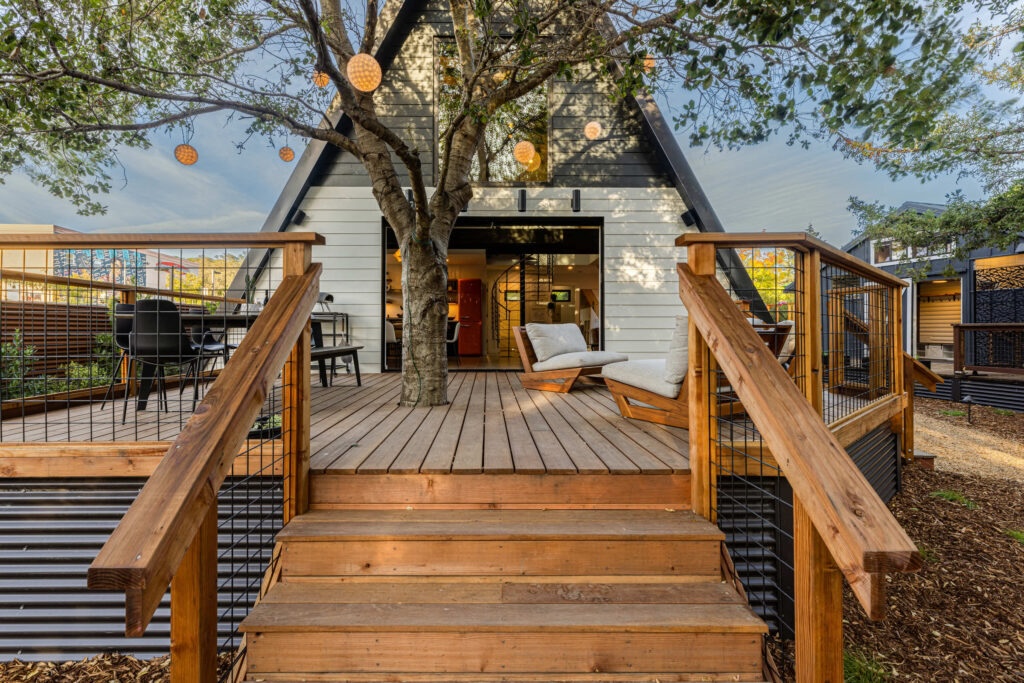
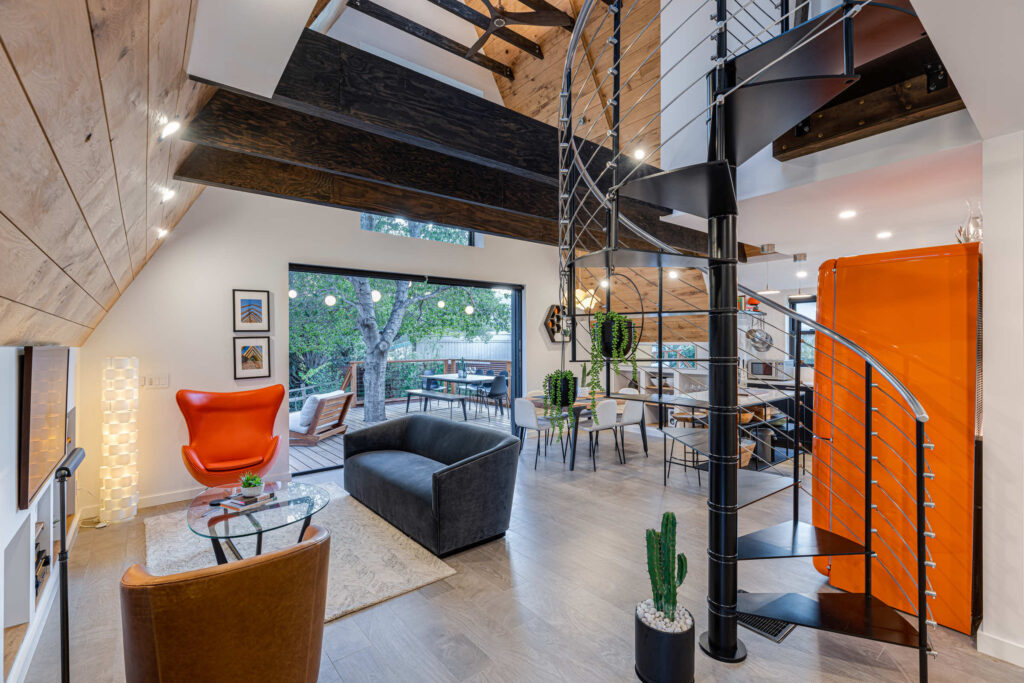
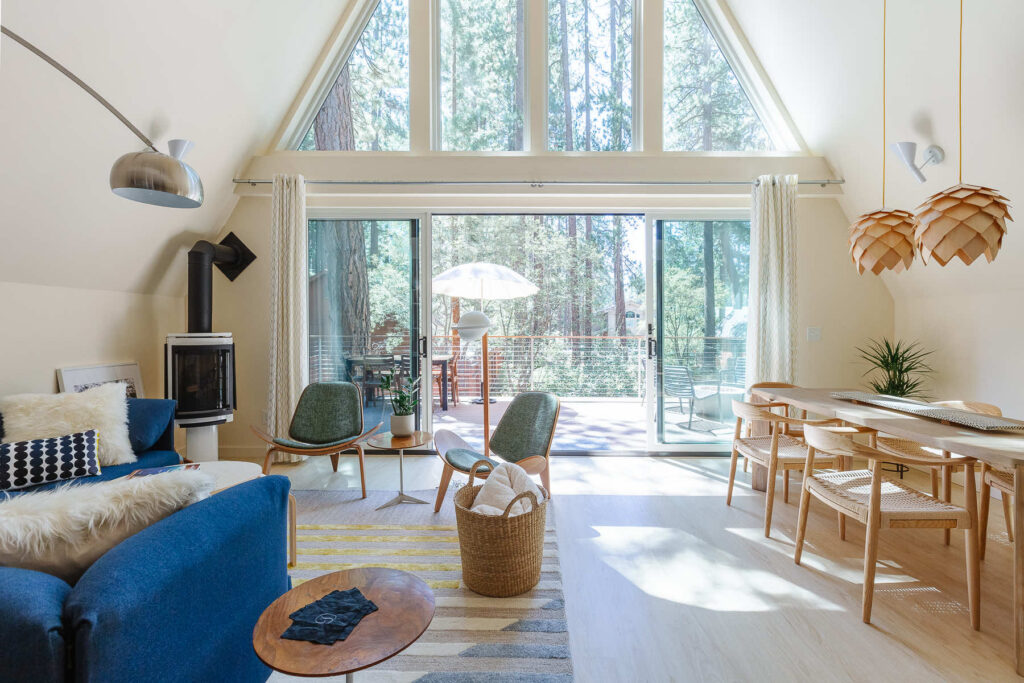
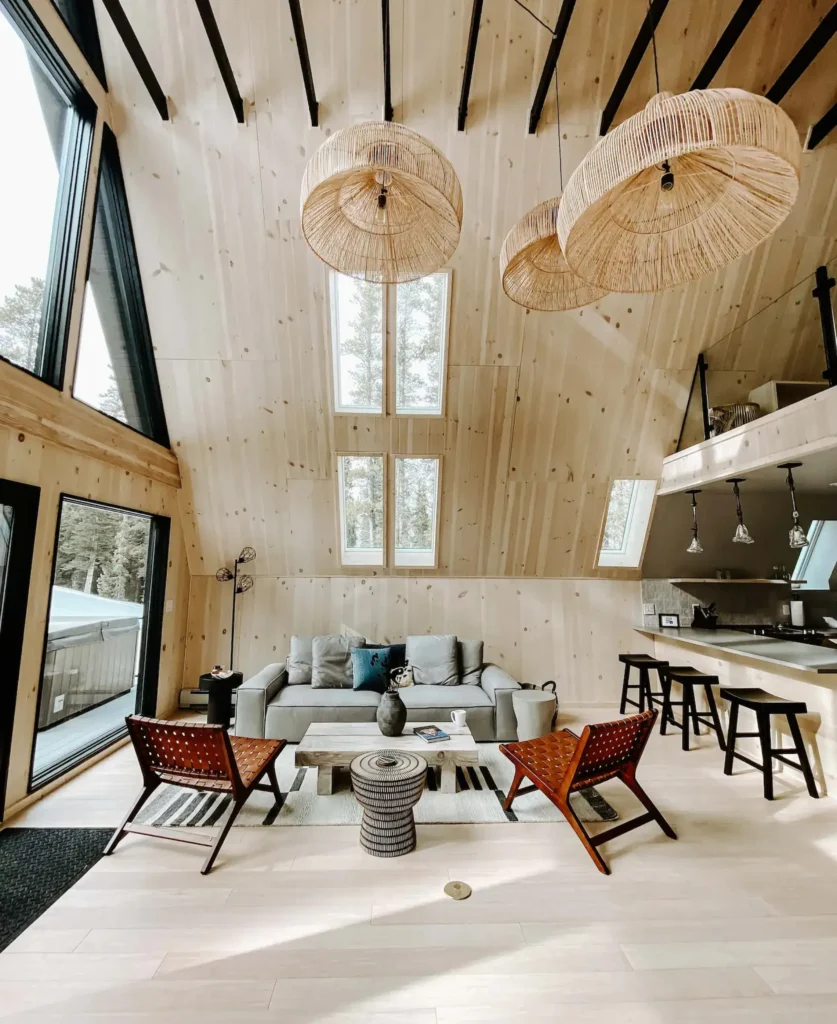
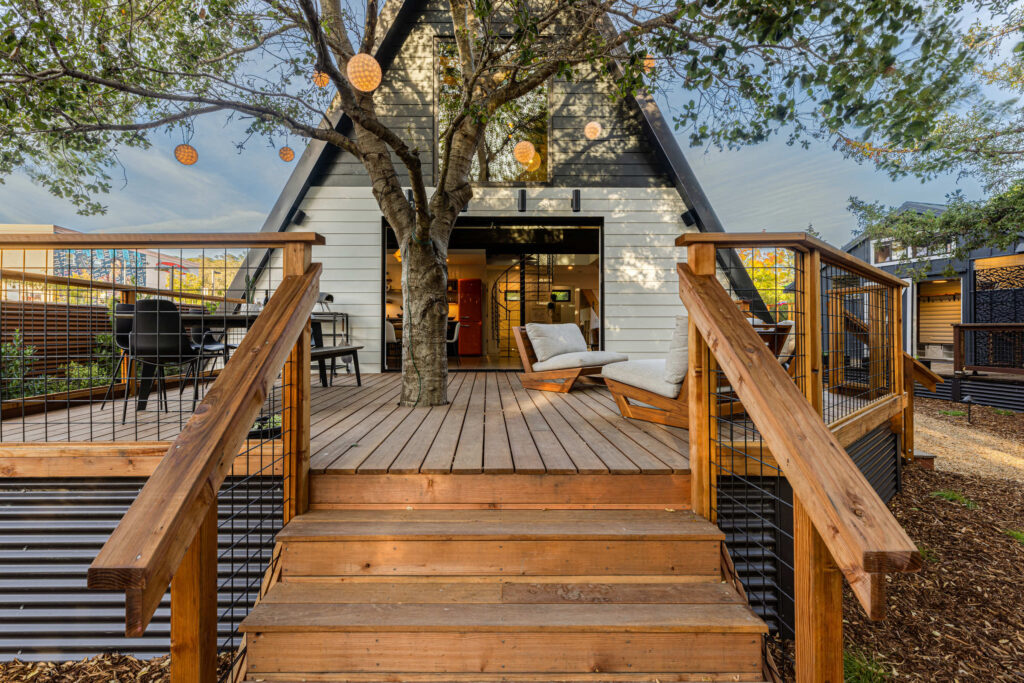
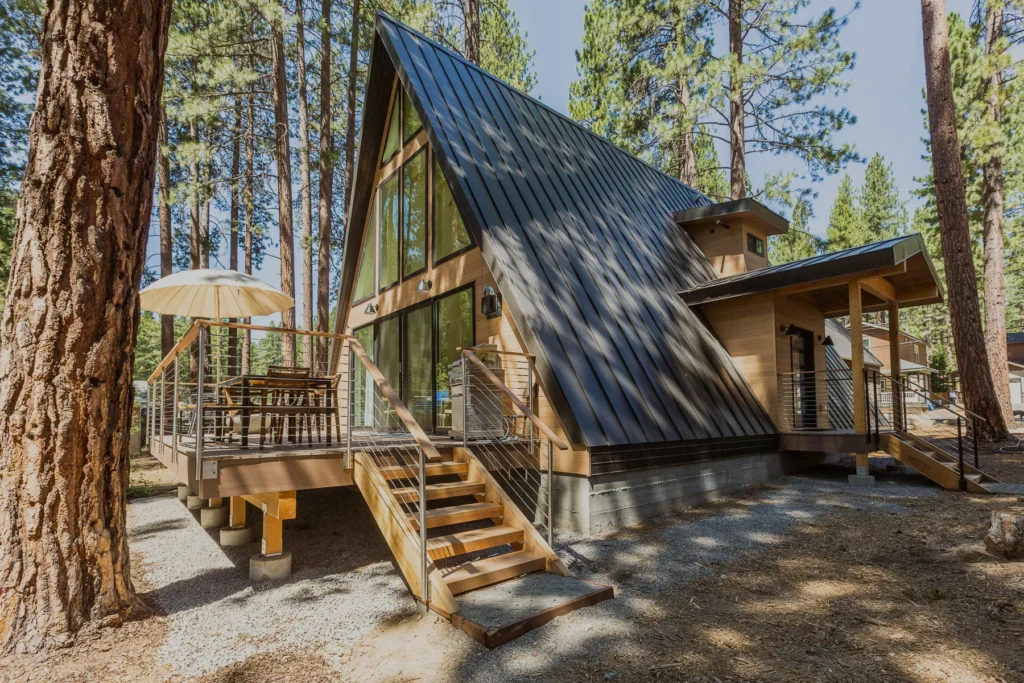
A‑frame plans are back in favor for one simple reason: they make small footprints feel much bigger. Their steep, cathedral-like roofs and open interiors create volume and daylight where square footage is limited — a practical advantage whether you’re building a weekend cabin or a full-time home. In this guide we’ll walk through the defining features of modern A‑frames, how clever planning multiplies usable space, and why AvrameUSA’s cabin kits speed the process while cutting waste and cost. If you’ve ever wondered how to get more from a small lot or compact plan, A‑frames are a smart, elegant solution.
A‑frames remain popular because they blend traditional construction logic with a clean, modern aesthetic
Modern A‑Frames: History and Lasting Appeal
Mid‑century British A‑frames (popular in the 1950s and 1960s) grew out of older British and Scandinavian‑German building traditions like the cruck‑frame. That tension — a familiar, efficient shelter becoming a symbol of modern design — explains much of the A‑frame’s enduring appeal.
All roof, no wall: Peter Boston, a-frames and the primitive hut in twentieth-century British architecture, c. 1890–1970, 1970
Key Features of Modern A‑Frame House Plans
At first glance an A‑frame’s triangular silhouette is its signature. But that shape delivers practical benefits: steep roofs shed snow and rain, vaulted interiors create usable vertical volume, and open plans remove tight corridors that eat space. These elements work together to make compact homes feel open, bright, and flexible.
Steep Roofs & Vaulted Ceilings — How They Open a Small Footprint
The steep pitch and vaulted interiors common to A‑frames add headroom where it matters, creating the perception — and reality — of more space. Sloped ceilings invite tall windows and skylights, bringing daylight deep into the plan. The result is a brighter, airier interior with improved circulation and a strong visual connection between levels.
Large Windows & Open Plans — Bringing the Outside In
Generous glazing is a hallmark of modern A‑frames: big windows frame views and flood rooms with natural light, making interiors feel larger and more connected to their site. Open floor plans complement this by removing nonessential walls, letting furniture and function define zones instead of partitions.
How A‑Frame Cabin Kits Simplify Building and Space Optimization
AvrameUSA cabin kits are built to streamline construction and make smart use of materials. Kits supply pre‑cut structural components that fit together quickly, reducing on‑site structural framing time and minimizing waste. That means you—and your builder—can focus on layout decisions that optimize living space, rather than wrestling with rough framing or sourcing mismatched parts.
What’s Included in an Avrame A‑Frame Cabin Kit?
Our kits include the essential fabricated structural pieces: pre‑cut structural framing members and custom-fabricated hardware sized for the model. Everything is engineered to align during assembly so framing is faster and more predictable—helping keep your project on schedule and on budget. Additionally, AvrameUSA provides a one-stop shop experience by including not only the architectural details but also a state-specific structural engineering wet stamp with calculations, which is typically required for permitting. This comprehensive package saves time and money by simplifying the semicustom home construction process. Other optional building materials are also available, such as sheet goods, a standing seam metal roofing package and Velux skylights.
The Bolt‑Together Assembly — Faster, Cleaner, More Predictable
Avrame’s bolt‑together structural framing system cuts the need for specialty tools and reduces on‑site guesswork. Importantly, this unique platform framing methodology eliminates the need for heavy machinery such as cranes, which are common in traditional A-frame construction. This increases usability and reduces expense, making self‑builds more achievable and lowering labor hours for contractors, so you get a finished shell sooner and with less waste.
Floor Plans That Stretch Small A‑Frame Footprints
Small A‑frames get the most mileage from vertical planning. Thoughtful floor plans use lofts, split levels, and multifunctional zones to deliver more usable area without expanding the foundation — a big advantage for tight sites or budget‑conscious builds.
Lofts & Multi‑Level Layouts — Adding Usable Square Foot
Lofts are a defining A‑frame strategy: they add a private sleeping or work area while leaving the main room open. Multi‑level plans further create distinct zones for living, cooking, and sleeping, giving you the feeling of separate rooms without adding walls. That vertical thinking makes compact homes far more adaptable.
Besides giving you extra floor area, A‑frame lofts often improve airflow and ventilation through the house.
A‑Frame Design: Spatial Outcomes and Loft Ventilation
The A‑frame form has been used as a resilient, simple strategy to improve loft ventilation—an approach applied even in emergency and recreational shelters where airflow and simplicity matter most.
Triangular Pallet House‑TPH©: Elemental A‑frame Design Applicable in Emergency and Recreational Environments, 2005
Built‑In Storage — Small‑Space Solutions That Work
Smart storage is essential in compact A‑frames. Built‑in shelving, under‑stair compartments, and furniture that doubles as storage keeps clutter off floors and makes every inch count. Integrating these elements into the shell preserves the clean, open look A‑frames are known for while adding real functionality.
Cost Considerations for an Efficient A‑Frame Build
Costs for an A‑frame depend on choices: finishes, mechanical systems, and site work can all move the needle. Choosing a kit and planning efficient layouts early are two of the most effective ways to control expenses without sacrificing comfort.
How Choosing a Kit Affects Construction Costs
Prefab kits reduce framing labor and material waste, which lowers overall build costs compared with fully stick‑built methods. With a predictable kit package you also get clearer pricing up front—helpful for budgeting and scheduling.
Budgeting Tips That Keep Your A‑Frame Project on Track
To manage costs during an A‑frame build, consider these practical steps:
- Plan Ahead: Map out a realistic budget that covers materials, labor, permits, and contingency.
- Choose a Kit: A kit simplifies scope and cuts framing time, reducing surprises.
- Prioritize Essentials: Finish the core systems first (structure, envelope, HVAC) and phase aesthetic upgrades later.
Interior Design Moves That Enhance Perceived Space
Interior choices amplify the A‑frame’s natural strengths. A deliberate palette, strategic lighting, and flexible furnishings help interiors read larger and more cohesive than their footprint might suggest.
Furniture Placement — Defining Zones Without Walls
Arrange furniture to create clear activity zones while keeping sightlines open. Use area rugs, low shelving, or a sofa as subtle dividers. Choose multifunctional pieces—like benches with storage or foldaway tables—to keep circulation paths clear.
Lighting & Materials — Making Space Feel Airy and Warm
Light paint tones, reflective surfaces, and layered lighting (ambient, task, and accent) expand perception of space. Natural materials like wood and stone add warmth and connect interiors to the landscape, reinforcing the A‑frame’s cozy, cabin‑like character.
Sustainable & Off‑Grid Features That Support Efficient Living
Sustainability fits naturally with A‑frames: their compact footprint and strong roof geometry make them a good match for passive strategies and off‑grid systems that reduce operating costs and environmental impact.
Energy‑Efficient Design — Complementing Space Maximization
Passive solar orientation, upgraded insulation, and high‑performance windows reduce heating and cooling loads in A‑frames. Those measures lower utility bills and keep interiors comfortable year‑round without sacrificing the open, airy feel.
Off‑Grid Integrations — Solar, Water, and Passive Systems
Solar arrays, battery systems, and rainwater capture can be integrated into A‑frame builds with minimal visual impact. Thanks to their compact size and predictable energy needs, many A‑frames are excellent candidates for partial or full off‑grid setups.
Using prefab kits can make the transition to an off‑grid cabin faster and more reliable.
Avrame Prefab A‑Frame Kits for Off‑Grid Cabins
For off‑grid projects, a single, well‑engineered prefab cabin can simplify installation of power and water systems. Avrame kits are a practical starting point for remote or small‑scale off‑grid cabins for these reasons.
A guide to starting an off-grid cabin business in Lapland, Finland., 2023
| Feature | What it does | Why it helps |
| Steep Roofs | Shed snow and rain efficiently | Lower maintenance and longer roof life |
| Large Windows | Bring in natural light and views | Brightens interiors and connects you to the site |
| Open Floor Plans | Remove unnecessary interior walls | Create flexible, airy living spaces |
This quick reference highlights the design choices that make A‑frames feel larger and more livable. Use it when comparing plans or deciding which features matter most for your site and lifestyle.
A‑frame house plans combine efficient engineering with a distinctive look, delivering flexibility for both small cabins and full‑time homes. With steep roofs, generous glazing, and open plans, these designs squeeze more life out of every square foot. Choosing an AvrameUSA cabin kit streamlines pre-construction paperwork and structural framing, reduces waste, and helps you focus on the layout and finishes that make a house feel like home. Explore our models to see how an A‑frame can transform the way you live.
Frequently Asked Questions
What are the advantages of A‑frame houses in terms of energy efficiency?
A‑frames can be very energy efficient when detailed correctly. Their compact form reduces exposed surface area, and steep roofs allow for high insulation levels and well‑placed glazing for passive solar gain. Pair those traits with energy‑efficient windows and a tight envelope and you’ll lower heating and cooling demands.
Can A‑frame houses be customized for different climates?
Yes. A‑frames adapt well to climate‑specific choices: thicker insulation and triple‑glazed windows for cold regions, larger overhangs and shading for warm climates, and mechanical systems sized to the local load. The basic shell is versatile enough to accept these adjustments without losing its character.
What are the maintenance requirements for A‑frame houses?
Maintenance is straightforward but important: keep gutters and drainage clear, inspect roof penetrations and flashing, and treat exterior finishes as recommended. The steep roof helps with water and snow shedding, which reduces long‑term wear when properly maintained.
How do A‑frame designs support a minimalist lifestyle?
A‑frames naturally encourage simplicity: open plans, compact footprints, and integrated storage make living with less easier. The result is a curated, intentional space that supports a minimalist approach without feeling sparse.
What are the potential resale values of A‑frame houses?
A‑frames often hold strong resale value where distinctive homes are in demand. Their efficient use of space and growing interest in sustainable, smaller‑footprint living can increase appeal. As always, location, build quality, and local market conditions will affect resale performance.
Are A‑frame houses suitable for year‑round living?
Absolutely. With proper insulation, high‑performance windows, and appropriately sized heating and cooling systems, A‑frames make comfortable year‑round homes. Many owners use them as primary residences as easily as weekend retreats.
Final Thoughts
A‑frame plans offer a rare combination of economy, character, and spatial generosity. Their form naturally amplifies light and volume, and when paired with an AvrameUSA kit, the build process becomes faster, cleaner, and more predictable from the beginning. If you want a compact home that feels larger than it is — and is smart to build — an A‑frame is well worth considering.